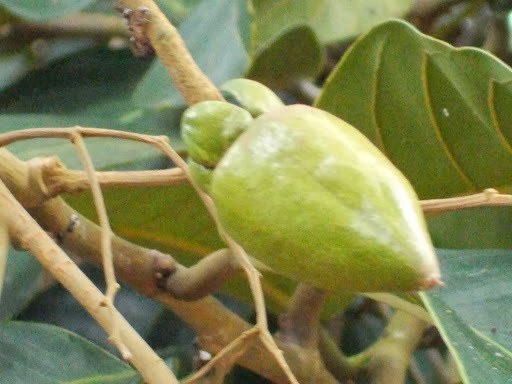
Vatica rassak
Resak Irian
A wet-tropical tree with narrowly elliptic leaves. The green fruit in this reference photograph is a useful feature to record alongside the whole tree.
Borneo to New Guinea
Botanical source: NParks .
The field guide / 02
Explore the middle of the taxonomy trail. Two species sit beneath each genus in this curated collection.
Compare Vatica rassak and Vatica mangachapoi within this genus. Open either record to see its regional context and botanical source, or follow the family link to return to the wider classification.
Resak Irian
A wet-tropical tree with narrowly elliptic leaves. The green fruit in this reference photograph is a useful feature to record alongside the whole tree.
Borneo to New Guinea
Botanical source: NParks .
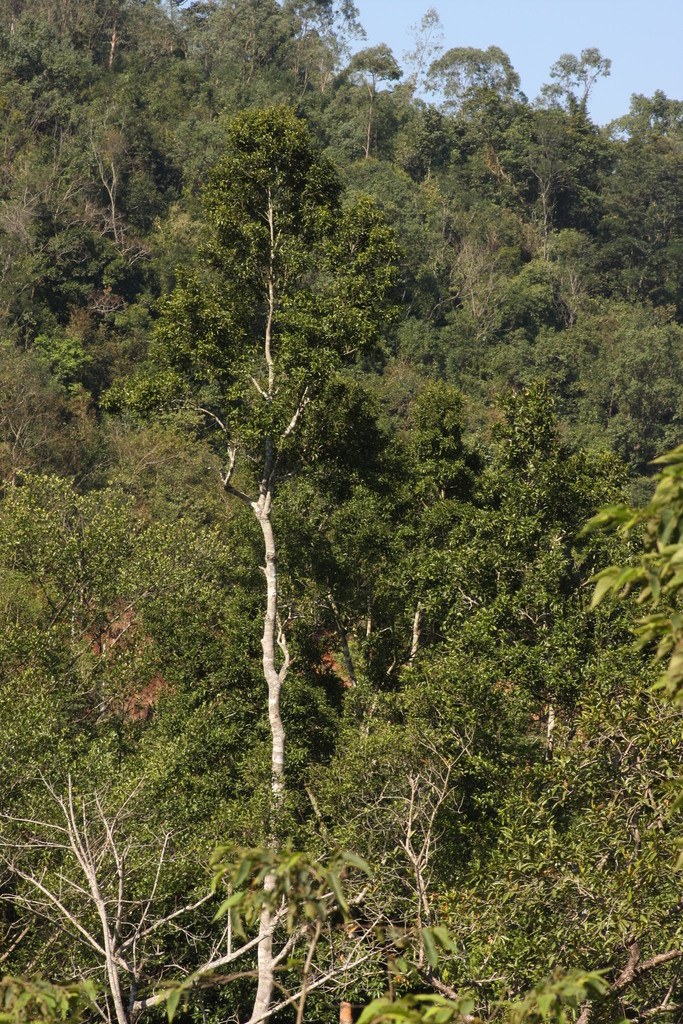
Vatica mangachapoi
A member of the dipterocarp family recorded in Malaysia. Start with its scientific name, then compare the tree, leaves and reproductive structures with a regional flora.
Malaysia and neighbouring Southeast Asia
Botanical source: MyBIS .
Compare Dipterocarpus grandiflorus and Dipterocarpus kerrii within this genus. Open either record to see its regional context and botanical source, or follow the family link to return to the wider classification.
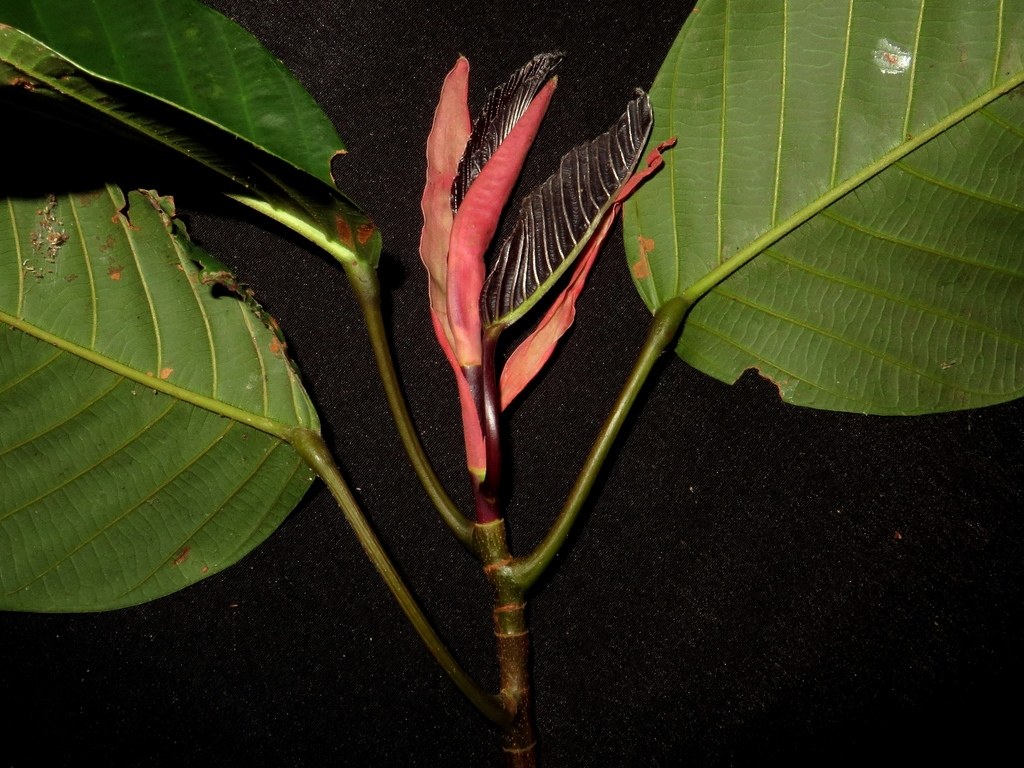
Apitong
A large forest tree in Dipterocarpaceae. Photographing the leaf surface and young growth adds useful detail to a general canopy photograph.
Peninsular Malaysia, Borneo and Southeast Asia
Botanical source: World Agroforestry .
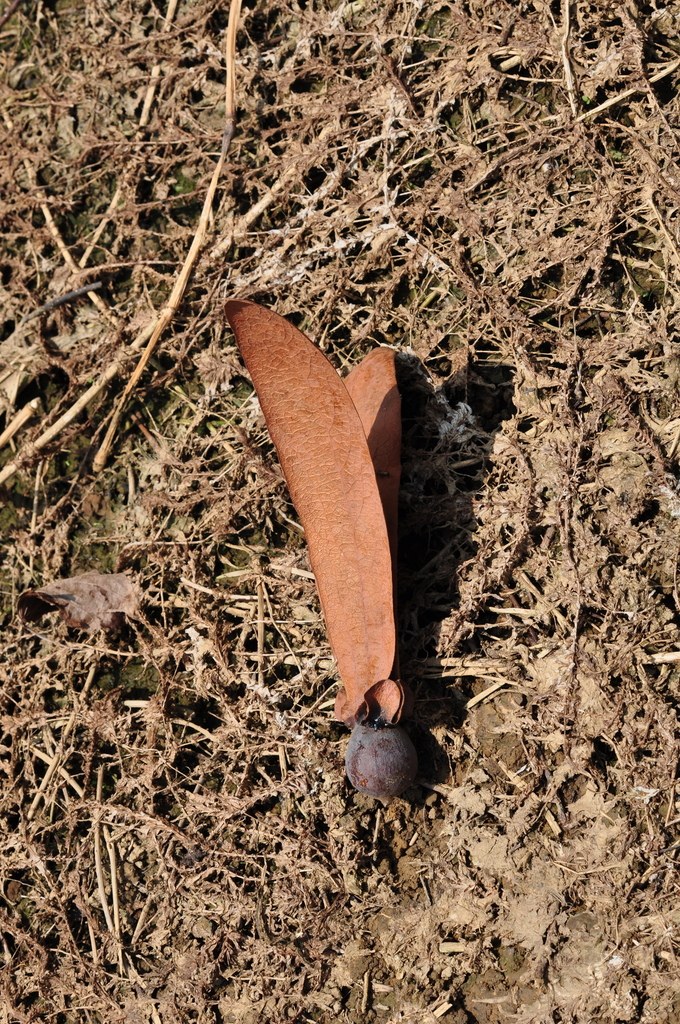
Dipterocarpus kerrii
This accepted tree species belongs to Dipterocarpus. The reference photograph shows a winged fruit; record naturally fallen material without removing anything from a living tree.
Malaya, Borneo and neighbouring regions
Botanical source: World Flora Online .
Compare Actinodaphne malaccensis and Actinodaphne pruinosa within this genus. Open either record to see its regional context and botanical source, or follow the family link to return to the wider classification.
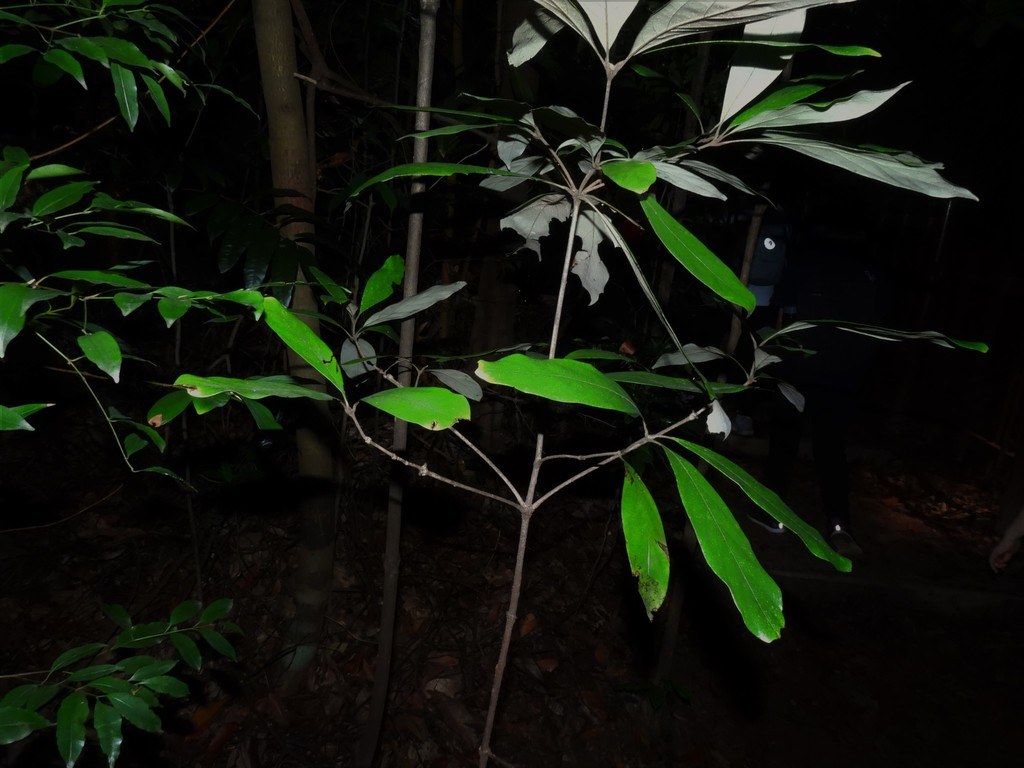
Actinodaphne malaccensis
A tree of the wet tropical biome in Lauraceae. Kew accepts this scientific name; use the full binomial when recording an observation to avoid ambiguity.
Malaya, as listed by Kew
Botanical source: Kew POWO .
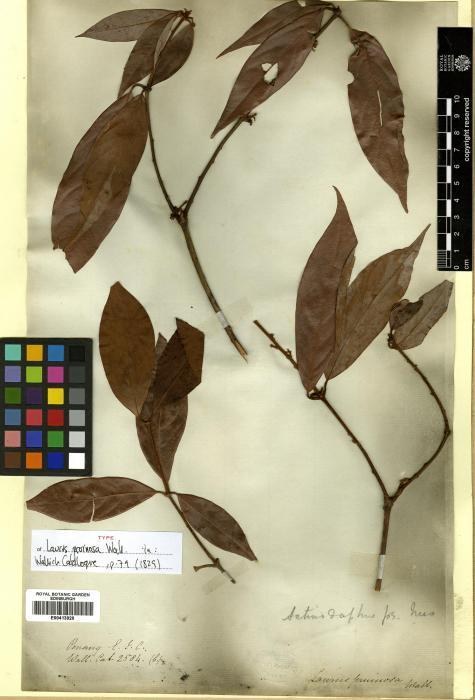
Actinodaphne pruinosa
A laurel-family tree represented here by a preserved botanical specimen. Herbarium images can help compare leaf outlines, but dried colours differ from those of a living plant.
Peninsular Malaysia, Singapore and Borneo
Botanical source: Species overview and cited Kew reference .
Compare Beilschmiedia madang and Beilschmiedia kunstleri within this genus. Open either record to see its regional context and botanical source, or follow the family link to return to the wider classification.
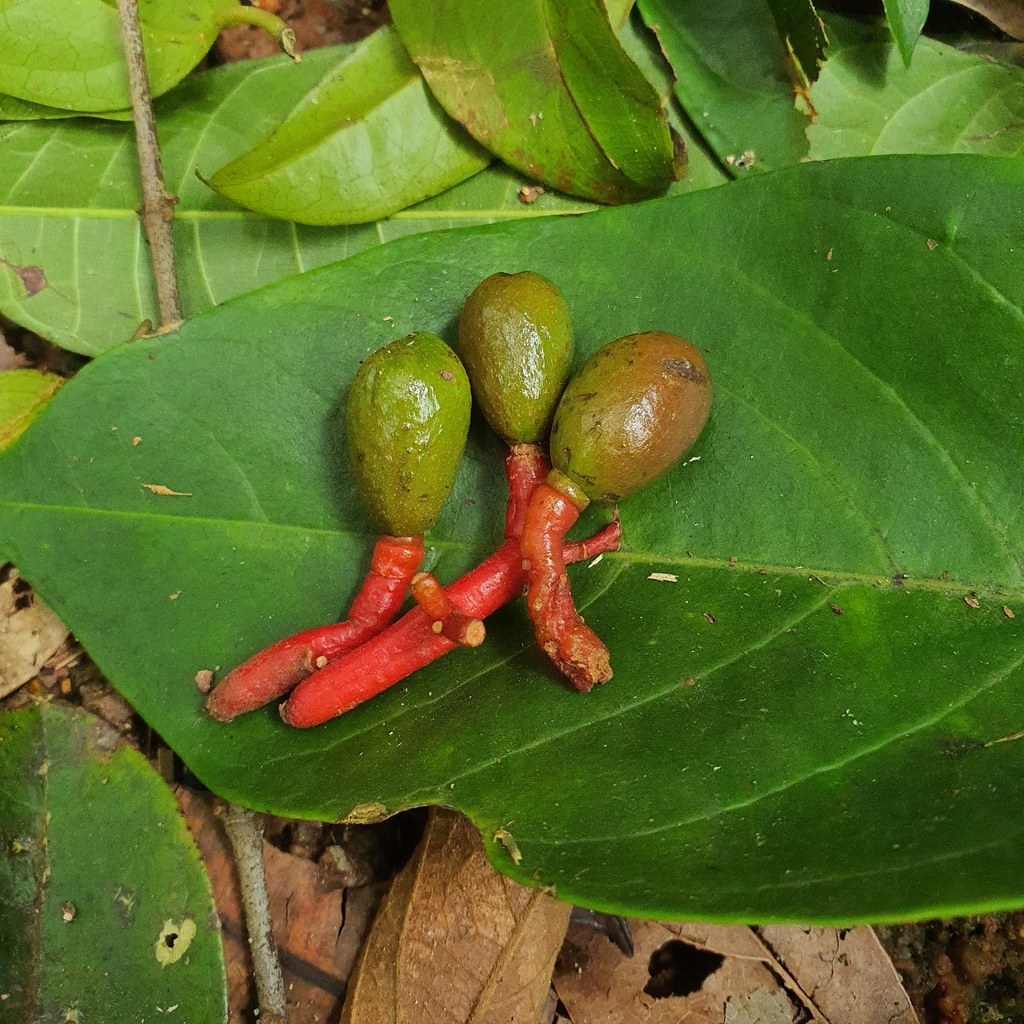
Medang
A forest tree whose fleshy fruits become dark blue to black at maturity. The fruit stalk may turn red, making close photographs particularly useful for comparison.
Malaysia, Singapore and Indonesia
Botanical source: NParks .
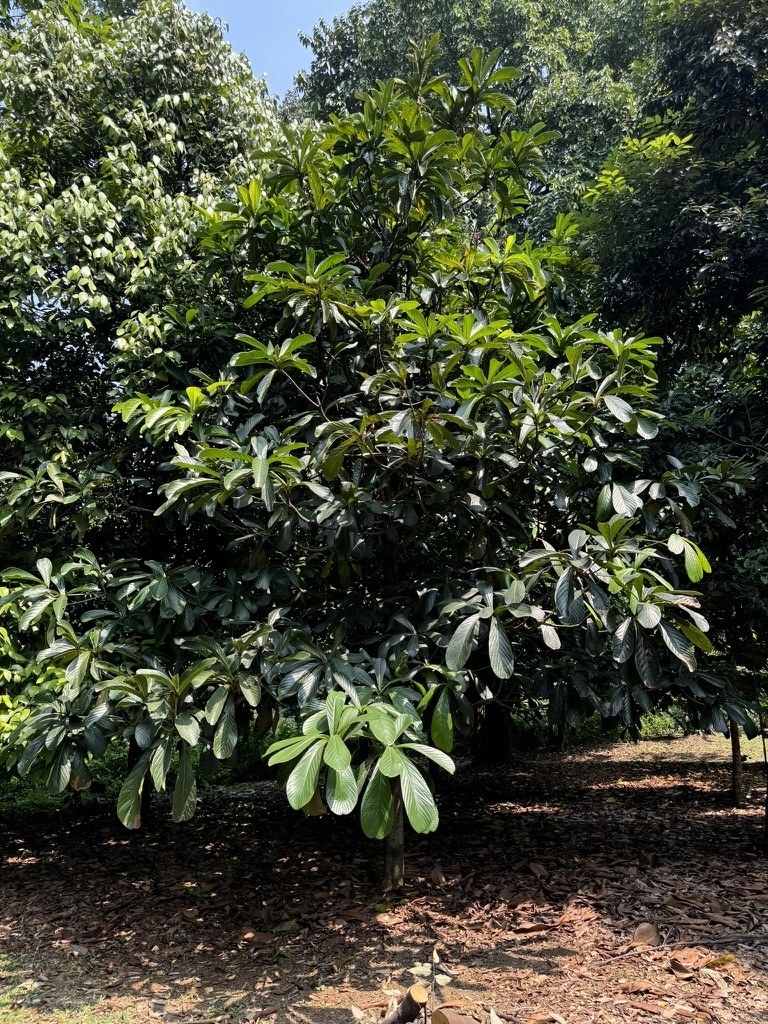
Beilschmiedia kunstleri
A member of Lauraceae documented from Hutan Simpan Sungai Tekam in Pahang. Keep the specimen name together with its source when comparing this tree with other Beilschmiedia.
Recorded in Pahang, Peninsular Malaysia
Botanical source: University of Malaya research .
Compare Canarium odontophyllum and Canarium littorale within this genus. Open either record to see its regional context and botanical source, or follow the family link to return to the wider classification.
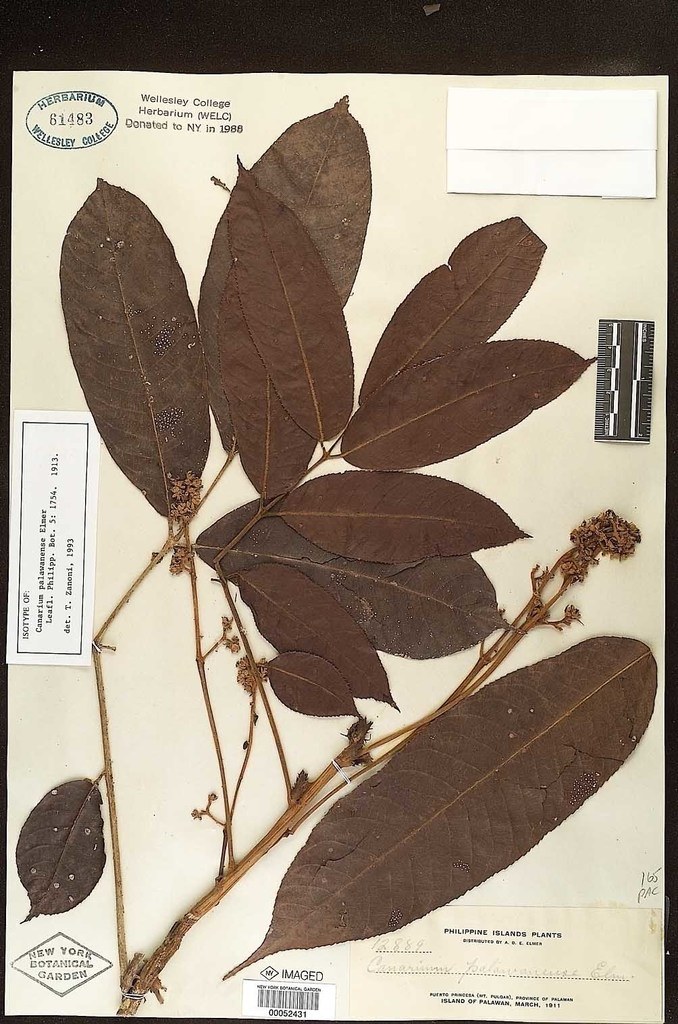
Dabai
A tall, buttressed tree that bears bluish-black fruits. This botanical specimen preserves its leaf structure; the source also describes the living tree and its fruit.
Malaysia, Indonesia and the Philippines
Botanical source: NParks .
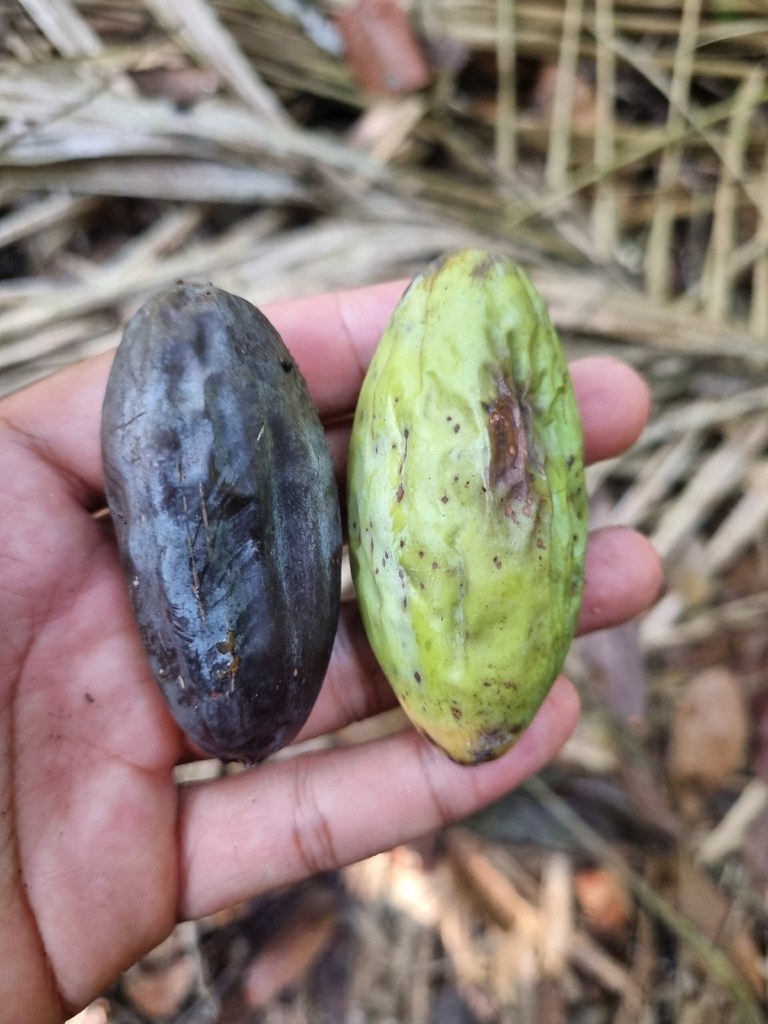
Canarium littorale
A Burseraceae tree with a documented regional distribution. The photograph records its fruits; combine fruit images with leaves and a wider view before making an identification.
Malaya, Borneo and neighbouring Southeast Asia
Botanical source: World Flora Online .
Compare Dacryodes rostrata and Dacryodes laxa within this genus. Open either record to see its regional context and botanical source, or follow the family link to return to the wider classification.
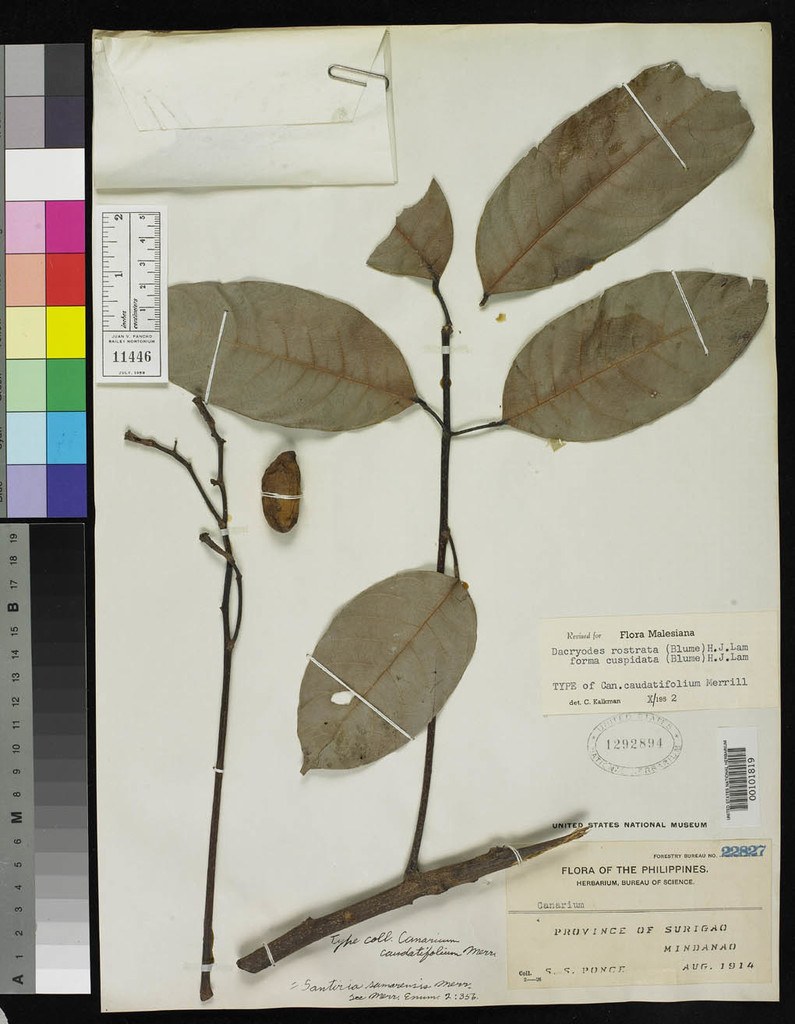
Kedondong kerut
An evergreen tree with pinnate leaves and fleshy fruits that darken as they ripen. Its reference specimen provides a closer look at leaf arrangement.
Peninsular Malaysia, Borneo and Southeast Asia
Botanical source: NParks .
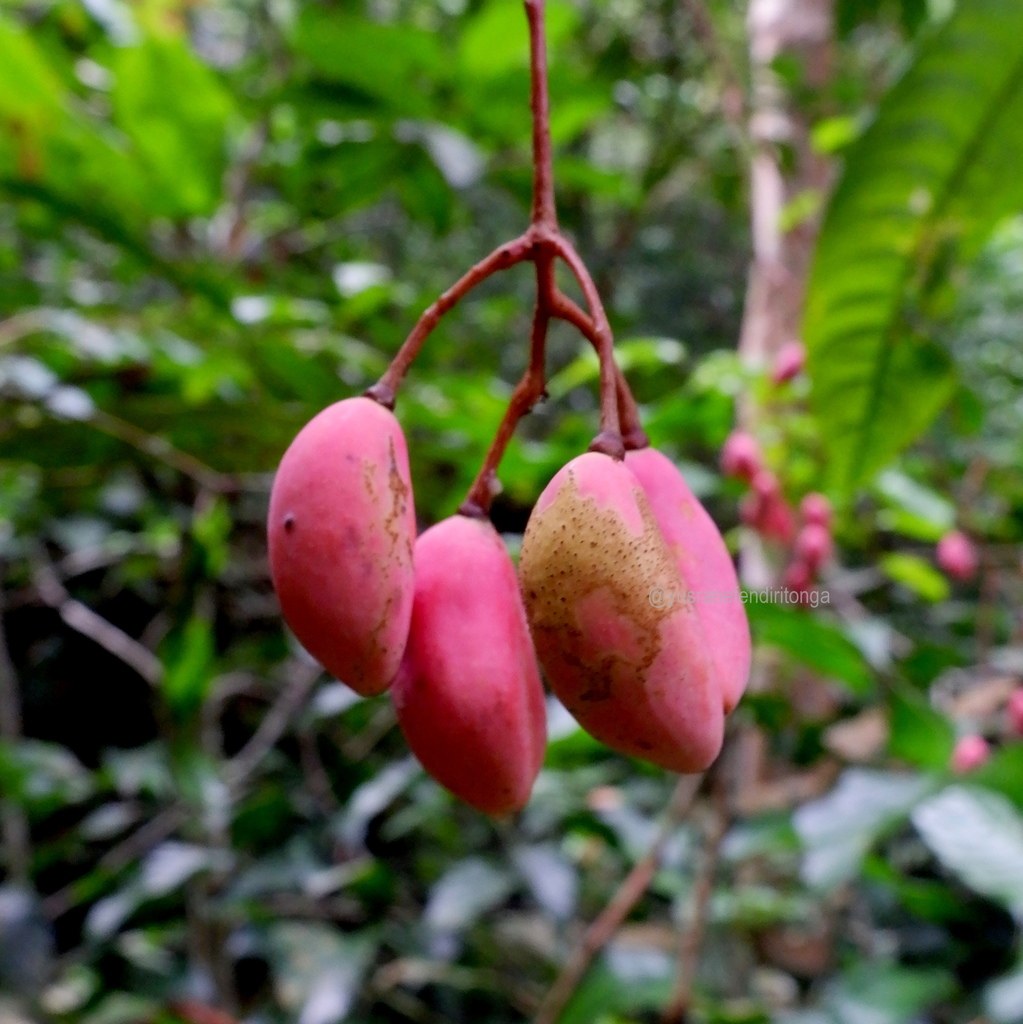
Kedondong bulu laxa
A Malaysian native tree listed by MyBIS. Record the location of your own observation separately from the places reported by a botanical database.
Recorded in Johor, Kedah and Pahang
Botanical source: MyBIS .
Compare Horsfieldia irya and Horsfieldia superba within this genus. Open either record to see its regional context and botanical source, or follow the family link to return to the wider classification.
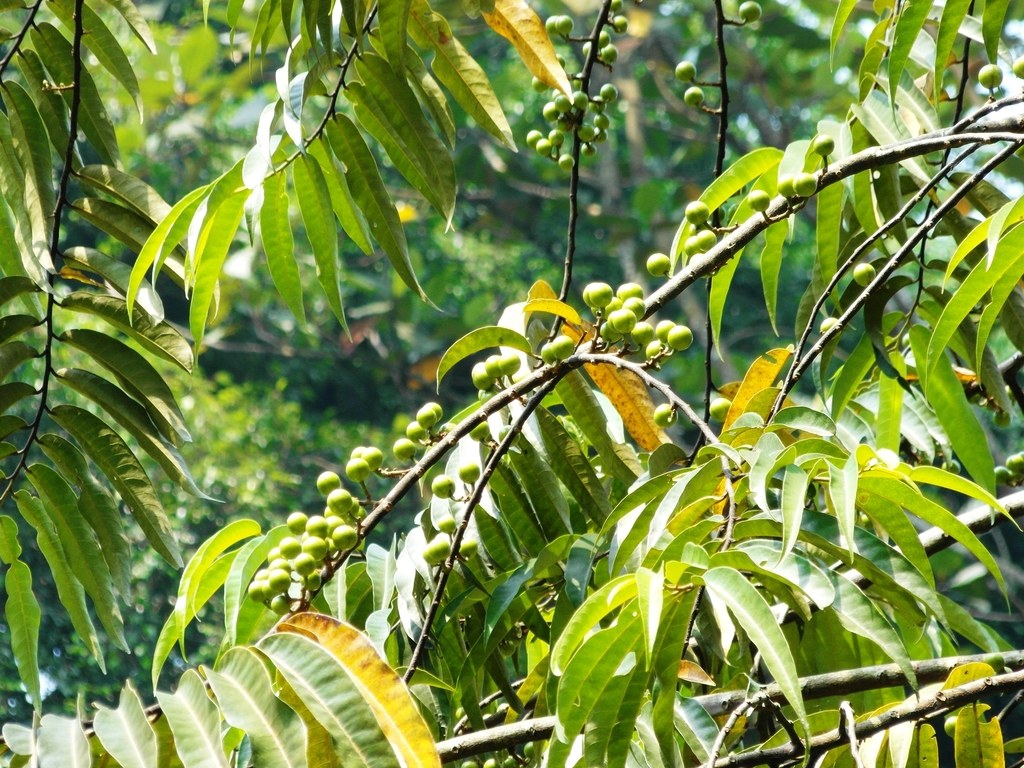
Horsfieldia irya
A wet-tropical tree in the nutmeg family. Its broad native range includes Malaya and Borneo; a reference range does not confirm an individual sighting.
Sri Lanka to the Caroline Islands, including Malaysia
Botanical source: Kew POWO .
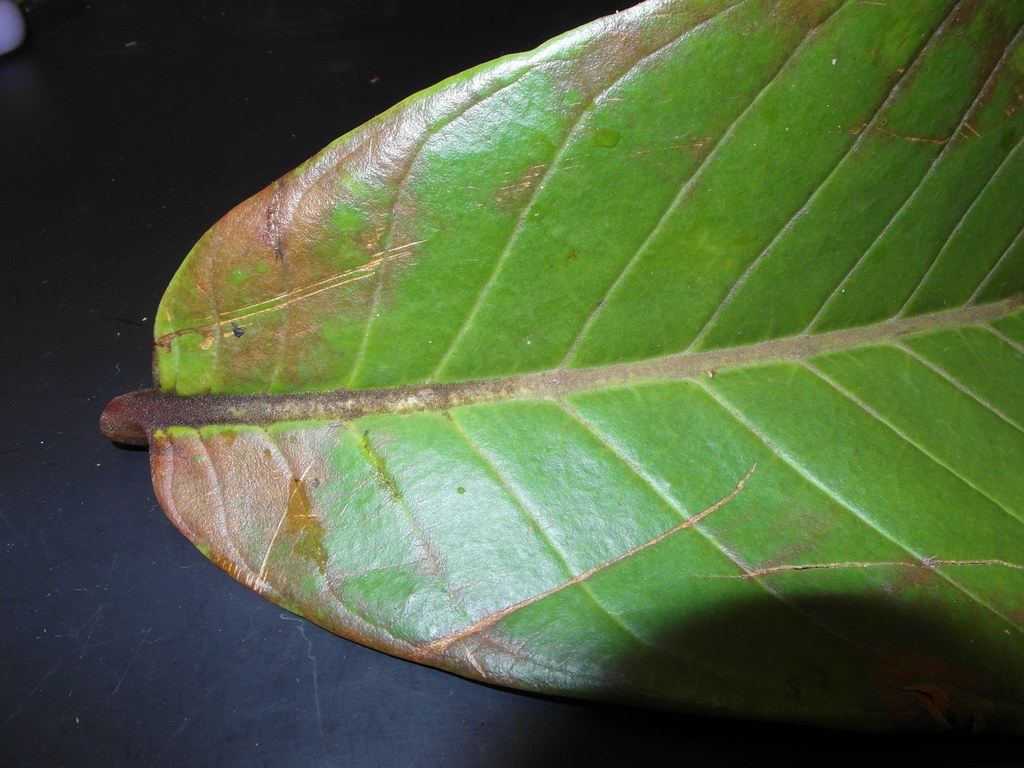
Penarahan
A Myristicaceae tree documented in several Malaysian states. The leaf photograph offers a close comparison point while its linked record provides the regional context.
Recorded across Peninsular Malaysia
Botanical source: MyBIS .
Compare Myristica fragrans and Myristica iners within this genus. Open either record to see its regional context and botanical source, or follow the family link to return to the wider classification.
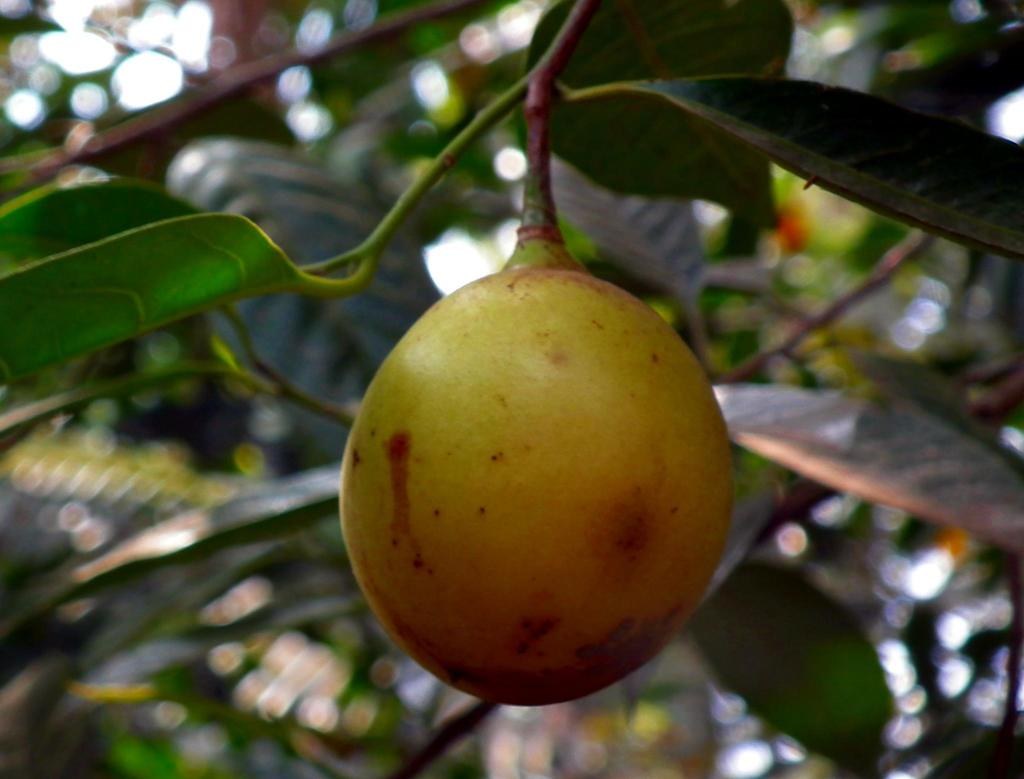
Nutmeg · Pokok pala
The nutmeg tree bears fruits containing a seed and a red, lacy aril. Cultivation guidance includes moderate water and well-drained soil in a tropical climate.
Native to Maluku; cultivated beyond its native range
Botanical source: NParks .
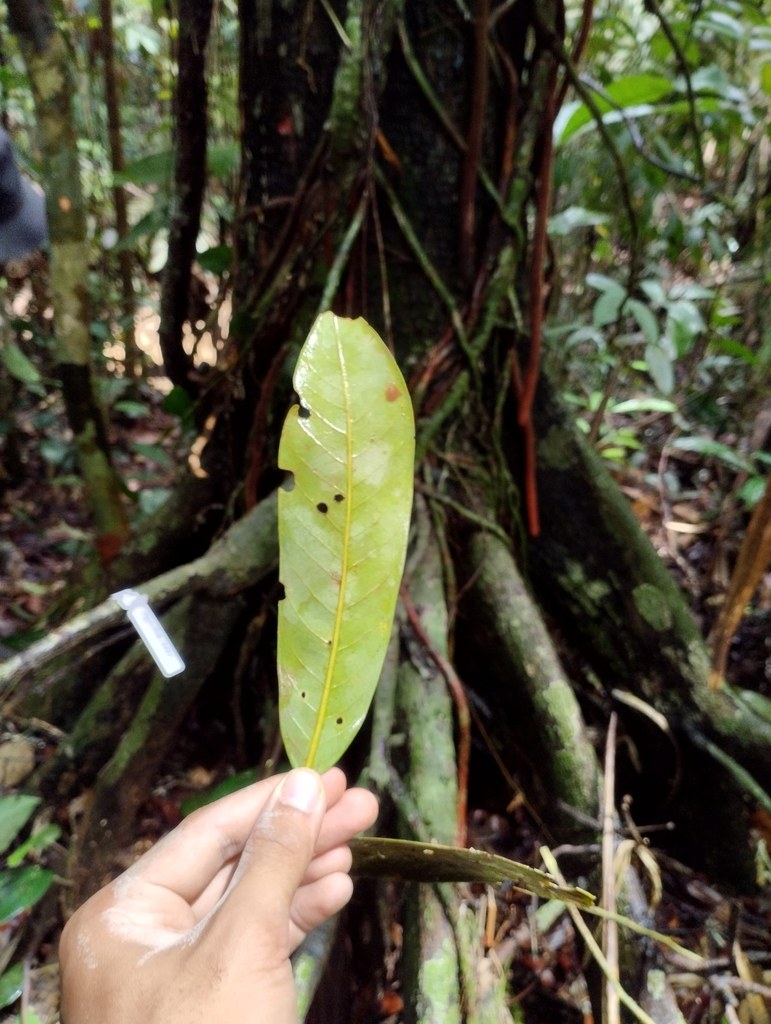
Myristica iners
An accepted wet-tropical tree species whose native range includes Malaya and Borneo. It belongs to the same genus as cultivated nutmeg, but is a distinct species.
Southern Indochina to western and central Malesia
Botanical source: Kew POWO .
A beginner’s field companion
You do not need to name every plant before you start exploring. Begin with a clear observation and follow the classification trail at your own pace. This guide deliberately keeps its collection small: every family connects to two genera, and every genus connects to two species. Those counts describe this website’s selection, not the total diversity of the families.
Use the photographs as reference material. A close-up may show a fruit, a leaf, or a preserved herbarium specimen; the caption tells you who made the image. The original botanical source appears beside the description so you can examine the evidence and read beyond our summary. Regional ranges describe published distributions, not the location where a reference photograph was taken.
Naming reference: International Association for Plant Taxonomy . Field workflow is original project guidance.
| Family | Genus | Species in this guide |
|---|---|---|
| Dipterocarpaceae | Vatica | Vatica rassak , Vatica mangachapoi |
| Dipterocarpaceae | Dipterocarpus | Dipterocarpus grandiflorus , Dipterocarpus kerrii |
| Lauraceae | Actinodaphne | Actinodaphne malaccensis , Actinodaphne pruinosa |
| Lauraceae | Beilschmiedia | Beilschmiedia madang , Beilschmiedia kunstleri |
| Burseraceae | Canarium | Canarium odontophyllum , Canarium littorale |
| Burseraceae | Dacryodes | Dacryodes rostrata , Dacryodes laxa |
| Myristicaceae | Horsfieldia | Horsfieldia irya , Horsfieldia superba |
| Myristicaceae | Myristica | Myristica fragrans , Myristica iners |