The field guide / 01
Four families.
Many ways to look closer.
Meet the first level of the collection. A family groups related genera and gives your exploration a starting point.
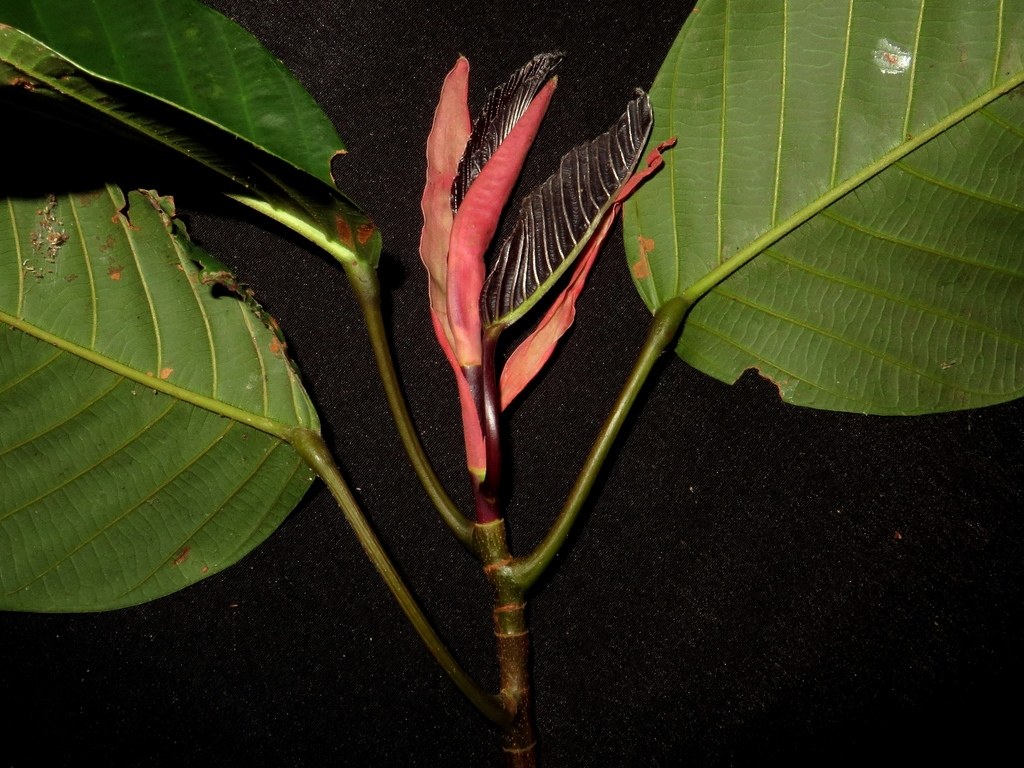
Family 01 / Giants of the forest
Dipterocarpaceae
Begin with Vatica and Dipterocarpus. These two genera belong to Dipterocarpaceae, a family represented here by four tree species. Compare the reference photographs, then follow each genus to its species records.
Selected genera: Vatica and Dipterocarpus . Each opens a pair of species. Botanical placement follows the linked species records.
Botanical source: NParks .
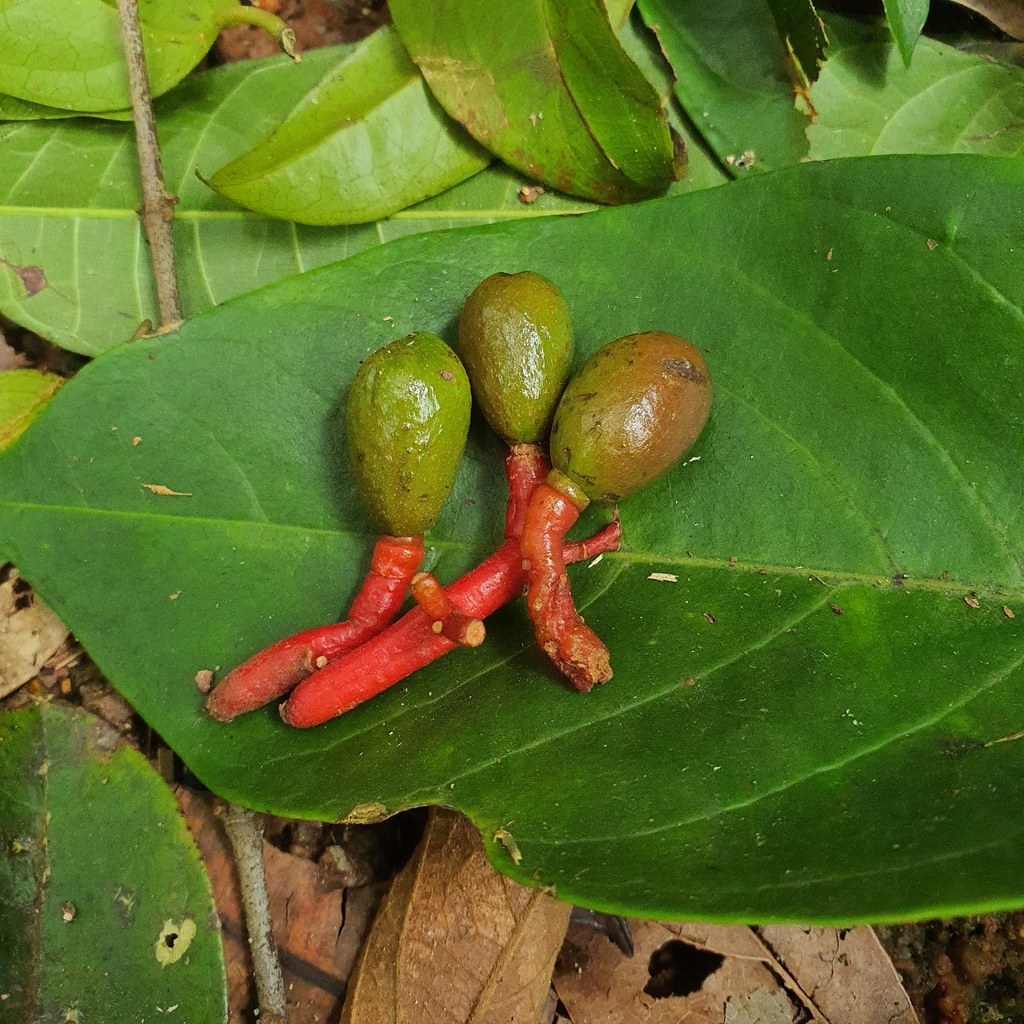
Family 02 / The laurel family
Lauraceae
Explore Actinodaphne and Beilschmiedia. Both genera belong to Lauraceae. Our selection connects four species with their botanical sources, helping you move from a family name to a more precise identification.
Selected genera: Actinodaphne and Beilschmiedia . Each opens a pair of species. Botanical placement follows the linked species records.
Botanical source: Kew POWO .
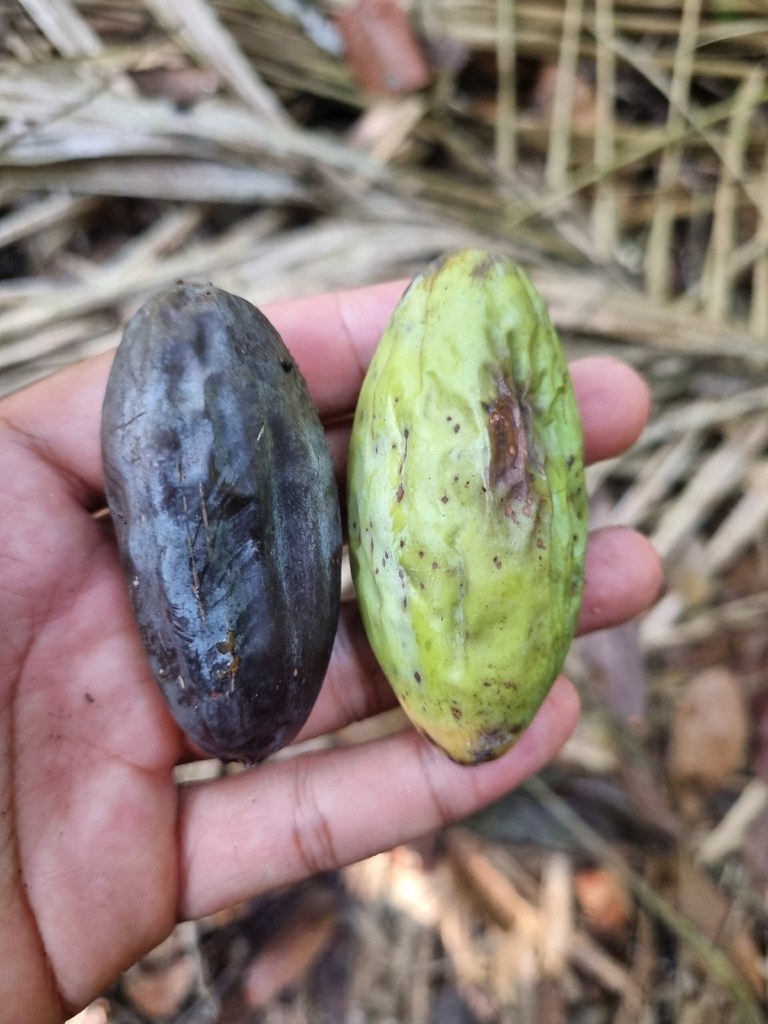
Family 03 / Resin & rainforest fruits
Burseraceae
Meet Canarium and Dacryodes. This collection includes dabai and three related forest trees. The genus links let you compare the names without confusing a shared local name with a scientific classification.
Selected genera: Canarium and Dacryodes . Each opens a pair of species. Botanical placement follows the linked species records.
Botanical source: NParks .
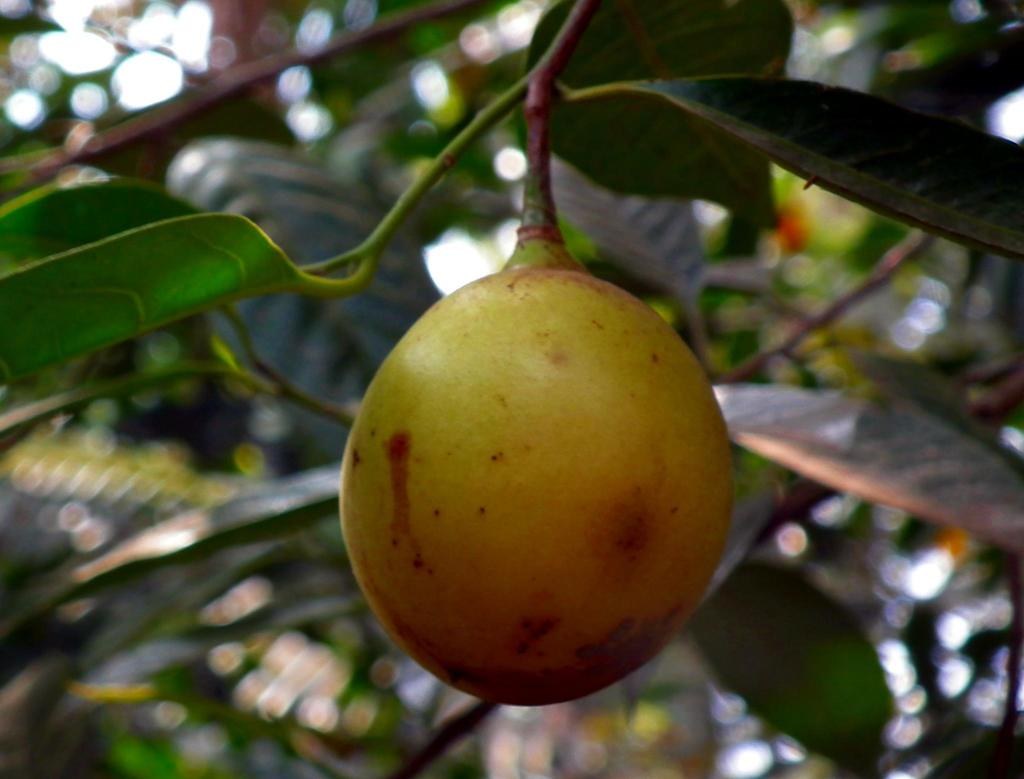
Family 04 / The nutmeg family
Myristicaceae
Discover Horsfieldia and Myristica. The familiar cultivated nutmeg sits alongside regional forest species. The catalogue distinguishes an introduced crop from native plants so that location information stays meaningful.
Selected genera: Horsfieldia and Myristica . Each opens a pair of species. Botanical placement follows the linked species records.
Botanical source: Kew POWO .
A beginner’s field companion
Start broad. Follow the connections.
You do not need to name every plant before you start exploring. Begin with a clear observation and follow the classification trail at your own pace. This guide deliberately keeps its collection small: every family connects to two genera, and every genus connects to two species. Those counts describe this website’s selection, not the total diversity of the families.
Use the photographs as reference material. A close-up may show a fruit, a leaf, or a preserved herbarium specimen; the caption tells you who made the image. The original botanical source appears beside the description so you can examine the evidence and read beyond our summary. Regional ranges describe published distributions, not the location where a reference photograph was taken.
Build a useful observation
- Take a wider photograph showing the plant’s overall form.
- Add close views of leaves and any visible flowers or fruits.
- Write the date, general location and what you actually observed.
Three words to know
- Family
- A classification that groups related genera.
- Genus
- A classification within a family; the first word of a species name.
- Species
- The more precise level used in this guide, written with a two-part scientific name.
Naming reference: International Association for Plant Taxonomy . Field workflow is original project guidance.
Family-to-species reference
| Family | Genus | Species in this guide |
|---|---|---|
| Dipterocarpaceae | Vatica | Vatica rassak , Vatica mangachapoi |
| Dipterocarpaceae | Dipterocarpus | Dipterocarpus grandiflorus , Dipterocarpus kerrii |
| Lauraceae | Actinodaphne | Actinodaphne malaccensis , Actinodaphne pruinosa |
| Lauraceae | Beilschmiedia | Beilschmiedia madang , Beilschmiedia kunstleri |
| Burseraceae | Canarium | Canarium odontophyllum , Canarium littorale |
| Burseraceae | Dacryodes | Dacryodes rostrata , Dacryodes laxa |
| Myristicaceae | Horsfieldia | Horsfieldia irya , Horsfieldia superba |
| Myristicaceae | Myristica | Myristica fragrans , Myristica iners |