The community / shared curiosity

Small observations.
Shared understanding.

See how a clear photograph and a thoughtful comment can begin a useful conversation.

From the community notebook

3 illustrative observations

These fictional examples show the intended community experience. Photographs retain their real creators’ credits.

AA

Aina

Example contributor · learning observation
Illustrative
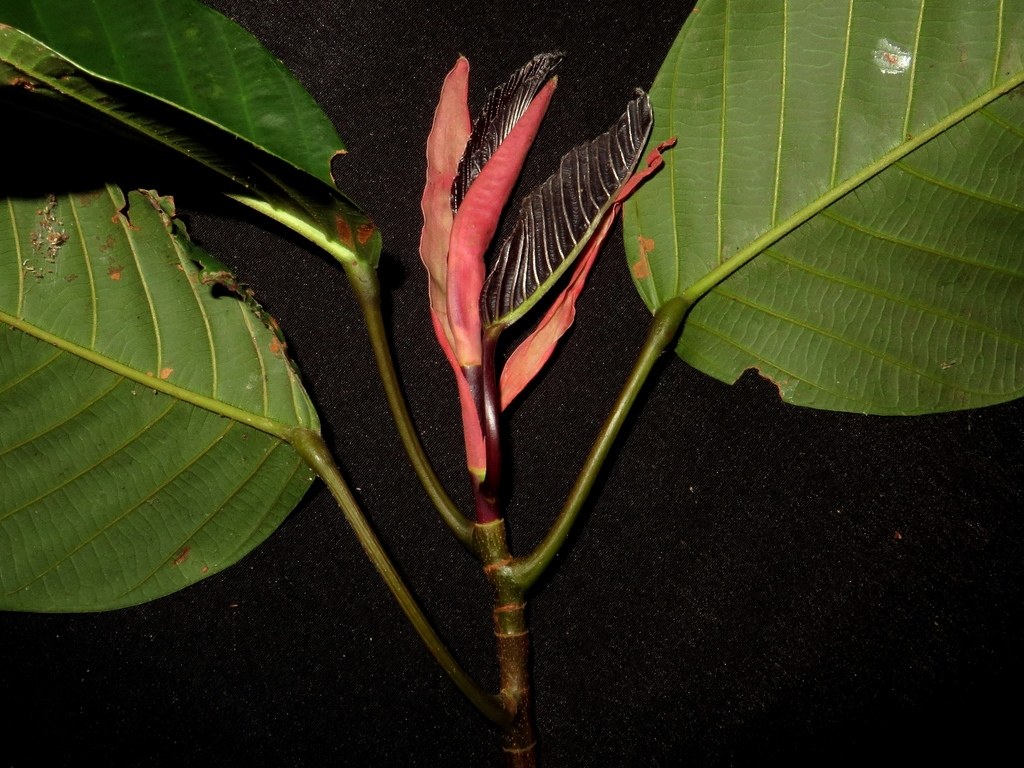
Broad leaves and reddish young growth of Dipterocarpus grandiflorus
Randi Agusti · CC-BY-NC · resized; display crop.

Dipterocarpaceae

Dipterocarpus grandiflorus

“I would add a wider view of the tree to accompany this close-up of the young leaves. The colour is useful context, but I would keep the identification tentative.”

Fictional contributor and original example comment. Photograph credited above; no real user submission is implied.

Explore the plant ↗
DL

Daniel

Example contributor · learning observation
Illustrative
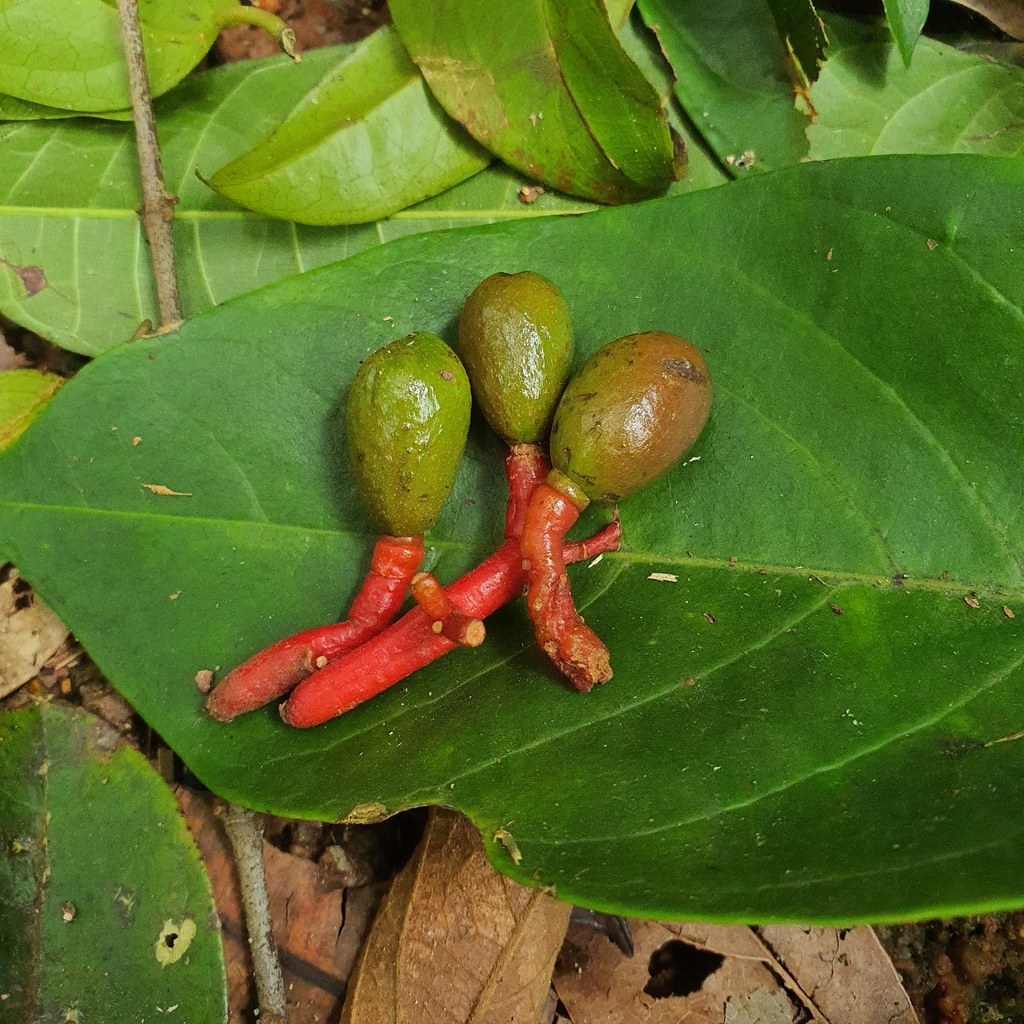
Beilschmiedia madang fruits with red stalks
pbsg · CC-BY · resized; display crop.

Lauraceae

Beilschmiedia madang

“The red fruit stalks caught my attention. I would record both ripe and unripe fruit, then compare the details with the botanical reference.”

Fictional contributor and original example comment. Photograph credited above; no real user submission is implied.

Explore the plant ↗
ML

Mei

Example contributor · learning observation
Illustrative
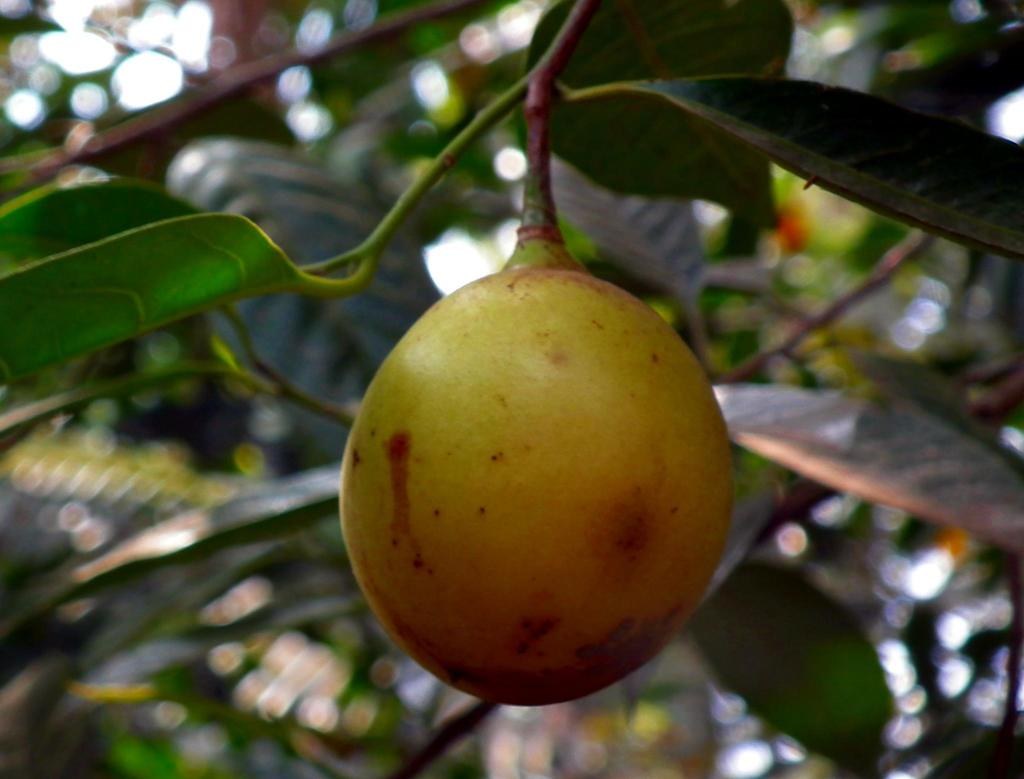
Yellow Myristica fragrans fruit on a leafy branch
Ramesh NG · CC-BY-SA · resized; display crop.

Myristicaceae

Myristica fragrans

“This example shows why the plant name and origin should be recorded separately. A cultivated tree can grow well beyond its native range.”

Fictional contributor and original example comment. Photograph credited above; no real user submission is implied.

Explore the plant ↗

A beginner’s field companion

Make your notes useful to the next explorer.

You do not need to name every plant before you start exploring. Begin with a clear observation and follow the classification trail at your own pace. This guide deliberately keeps its collection small: every family connects to two genera, and every genus connects to two species. Those counts describe this website’s selection, not the total diversity of the families.

Use the photographs as reference material. A close-up may show a fruit, a leaf, or a preserved herbarium specimen; the caption tells you who made the image. The original botanical source appears beside the description so you can examine the evidence and read beyond our summary. Regional ranges describe published distributions, not the location where a reference photograph was taken.

Build a useful observation

  1. Take a wider photograph showing the plant’s overall form.
  2. Add close views of leaves and any visible flowers or fruits.
  3. Write the date, general location and what you actually observed.

Three words to know

Family
A classification that groups related genera.
Genus
A classification within a family; the first word of a species name.
Species
The more precise level used in this guide, written with a two-part scientific name.

Naming reference: International Association for Plant Taxonomy . Field workflow is original project guidance.

What makes a helpful contribution?

A practical observation checklist
Include Why it helps Example
Contributor name Connects the note to its author. A name you choose to share.
Tentative plant name Provides a starting point for comparison. Myristica fragrans, if supported by evidence.
Clear photographs Shows the details behind your observation. A wider view and a leaf close-up.
Comments Records what a photograph cannot show. Date, general location and uncertainty.

Already registered? Open the Contribution Form . New here? Start with registration . Account authentication and storage belong to the later project phase.

A little curiosity goes a long way

Your next walk could start a discovery.

Notice a leaf. Record the details. Share what you see.

Contribute an observation